What are the key factors to consider when choosing skincare products for sensitive skin or skin conditions like eczema or psoriasis?

What are the key factors to consider when choosing skincare products for sensitive skin or skin conditions like eczema or psoriasis?

Choosing skincare products for sensitive skin or skin conditions like eczema or psoriasis requires careful consideration to ensure they are gentle, soothing, and suitable for the specific needs of such skin types. Here are key factors to consider:
What are the key factors to consider when choosing skincare products for sensitive skin or skin conditions like eczema or psoriasis?

1. Ingredients List:

  • Hypoallergenic Ingredients: Look for products labeled "hypoallergenic" or "fragrance-free" as fragrances can irritate sensitive skin.
  • Avoid Harsh Chemicals: Stay away from products containing alcohol, parabens, sulfates, and synthetic fragrances or dyes, as these can trigger reactions.
  • Moisturizing Components: Seek products with gentle, hydrating ingredients like hyaluronic acid, glycerin, shea butter, or ceramides to soothe and moisturize sensitive skin.

2. Skin Patch Test:

  • Perform a Patch Test: Before applying a new product, conduct a patch test on a small area of your skin to check for any adverse reactions or allergies.

3. Product Formulation:

  • Creams or Ointments: Opt for creams or ointments rather than lotions, as they typically contain fewer preservatives and are more hydrating for sensitive skin.
  • Non-Comedogenic: For facial skincare, choose non-comedogenic products that won't clog pores, reducing the risk of breakouts or irritation.

4. Dermatologist Recommendations:

  • Consult a Dermatologist: Seek advice from a dermatologist who can recommend suitable skincare products tailored to your specific skin condition and sensitivity.

5. Specific Concerns:

  • For Eczema: Consider products containing colloidal oatmeal, ceramides, or mineral oil, known for their skin-barrier repairing properties.
  • For Psoriasis: Look for products with salicylic acid or coal tar that can help in managing psoriasis symptoms.

6. Sun Protection:

  • Broad-Spectrum SPF: Use products with broad-spectrum SPF to protect sensitive skin from harmful UV rays, as sun exposure can exacerbate skin conditions.

7. Product Usage and Routine:

  • Consistency is Key: Stick to a skincare routine with products that work well for your skin type. Avoid frequent changes in skincare products to minimize potential reactions.
  • Gentle Cleansing: Use mild, fragrance-free cleansers and avoid hot water that can strip away natural oils, further irritating sensitive skin.

8. Allergens and Irritants:

  • Identify Triggers: Be cautious of potential triggers like certain foods, environmental factors, or fabrics that may worsen skin conditions.

Always remember that what works for one person's skin may not work for another. It's essential to tailor skincare choices based on individual skin sensitivities and conditions. Before introducing new products or making significant changes to your skincare routine, consulting a dermatologist or healthcare professional is advisable.

Back to blog

Leave a comment

1 of 4
1 of 2
  • Ebola Virus: New Strains and Ongoing Outbreaks

    Ebola Virus: New Strains and Ongoing Outbreaks

    Ebola virus, a severe and often deadly disease, continues to pose a significant threat to global health. Despite advancements in understanding and managing the disease, new strains and ongoing outbreaks...

    6 comments

    Ebola Virus: New Strains and Ongoing Outbreaks

    Ebola virus, a severe and often deadly disease, continues to pose a significant threat to global health. Despite advancements in understanding and managing the disease, new strains and ongoing outbreaks...

    6 comments
  • Understanding Long COVID: Symptoms, Research, and Recovery

    Understanding Long COVID: Symptoms, Research, a...

    Long COVID, also known as post-acute sequelae of SARS-CoV-2 infection (PASC), refers to a range of symptoms that persist for weeks or months after the acute phase of a COVID-19...

    7 comments

    Understanding Long COVID: Symptoms, Research, a...

    Long COVID, also known as post-acute sequelae of SARS-CoV-2 infection (PASC), refers to a range of symptoms that persist for weeks or months after the acute phase of a COVID-19...

    7 comments
1 of 2
  • Ajwain (Carom Seeds): Tiny Seeds, Massive Health Benefits

    Ajwain (Carom Seeds): Tiny Seeds, Massive Healt...

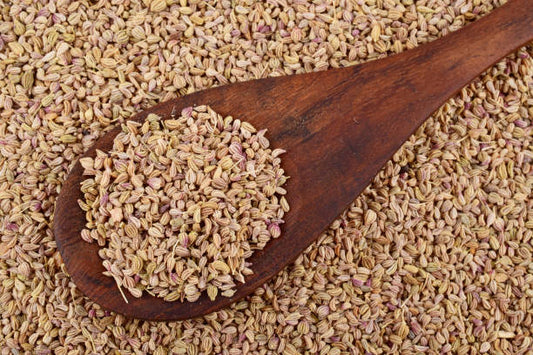
    In the world of spices and herbs, there are tiny powerhouses that often go unnoticed. Ajwain, also known as carom seeds, is one such culinary gem that has been treasured...

    4 comments

    Ajwain (Carom Seeds): Tiny Seeds, Massive Healt...

    In the world of spices and herbs, there are tiny powerhouses that often go unnoticed. Ajwain, also known as carom seeds, is one such culinary gem that has been treasured...

    4 comments
  • Senna: A Natural Laxative with Medicinal Properties

    Senna: A Natural Laxative with Medicinal Proper...

    Senna, derived from the leaves and fruit of the Cassia senna plant, is a potent herbal remedy known for its laxative effects and various medicinal properties. Usage of Senna Medicinal:...

    30 comments

    Senna: A Natural Laxative with Medicinal Proper...

    Senna, derived from the leaves and fruit of the Cassia senna plant, is a potent herbal remedy known for its laxative effects and various medicinal properties. Usage of Senna Medicinal:...

    30 comments
  • Isapgol: Nature's Answer to Digestive Woes

    Isapgol: Nature's Answer to Digestive Woes

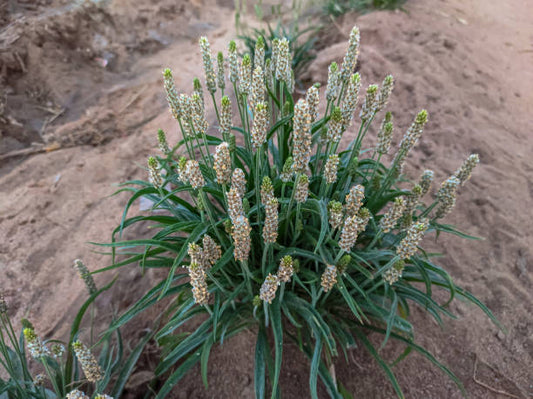
    Isapgol, also known as psyllium husk, is a natural dietary fiber derived from the seeds of the Plantago ovata plant. It is renowned for its numerous health benefits and is...

    13 comments

    Isapgol: Nature's Answer to Digestive Woes

    Isapgol, also known as psyllium husk, is a natural dietary fiber derived from the seeds of the Plantago ovata plant. It is renowned for its numerous health benefits and is...

    13 comments
1 of 3