What is Luliconazole - Drug Information, Side Effects and Uses

What is Luliconazole - Drug Information, Side Effects and Uses

What is Luliconazole?

Luliconazole is an antifungal medication that belongs to the azole class. It is used topically to treat fungal infections of the skin, specifically those caused by dermatophytes such as Trichophyton and Epidermophyton. Luliconazole works by inhibiting the growth of fungi and is commonly used for conditions like athlete's foot, jock itch, and ringworm.

Uses:

Luliconazole is used for:

  1. Athlete's Foot (Tinea Pedis): Luliconazole is effective in treating fungal infections that affect the feet.

  2. Jock Itch (Tinea Cruris): It is prescribed for fungal infections in the groin and thigh area.

  3. Ringworm (Tinea Corporis): Luliconazole is used for the treatment of fungal infections on the body.

Benefits:

  1. Antifungal Action: Luliconazole inhibits the growth of fungi, providing relief from symptoms and promoting the healing of fungal infections.

  2. Topical Application: Being a topical medication, Luliconazole is applied directly to the affected skin, targeting the infection at the site.

Side Effects:

Common side effects may include:

  • Itching or burning at the application site
  • Redness of the skin

Serious side effects are rare but may include severe allergic reactions. If any unusual or severe reactions occur, medical attention should be sought.

Precautions:

  1. Allergies: Individuals with known allergies to azole antifungals should avoid Luliconazole.

  2. Pregnancy and Breastfeeding: Consultation with a healthcare provider is essential for pregnant or breastfeeding individuals.

  3. Avoiding Eyes, Nose, and Mouth: Luliconazole should not be applied near or on mucous membranes, such as the eyes, nose, or mouth.

Dosage:

The dosage of Luliconazole is determined by healthcare providers based on the type and severity of the fungal infection.

General Dosage Guidelines:

  • Apply a thin layer of Luliconazole cream once daily to the affected area for the prescribed duration.

Conclusion:

Luliconazole is a valuable topical antifungal medication used to treat a range of skin infections caused by fungi. Its application directly to the affected area provides targeted treatment, and regular communication with healthcare providers ensures the safe and effective use of Luliconazole.

References:

  1. U.S. National Library of Medicine. (2022). Luliconazole. medlineplus.gov/druginfo/meds/a613048.html

Author: Nikita Vishnoi BCA

Back to blog

Leave a comment

1 of 4
1 of 2
  • Ebola Virus: New Strains and Ongoing Outbreaks

    Ebola Virus: New Strains and Ongoing Outbreaks

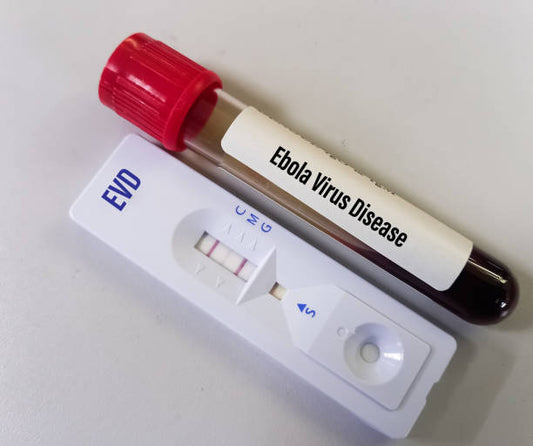
    Ebola virus, a severe and often deadly disease, continues to pose a significant threat to global health. Despite advancements in understanding and managing the disease, new strains and ongoing outbreaks...

    6 comments

    Ebola Virus: New Strains and Ongoing Outbreaks

    Ebola virus, a severe and often deadly disease, continues to pose a significant threat to global health. Despite advancements in understanding and managing the disease, new strains and ongoing outbreaks...

    6 comments
  • Understanding Long COVID: Symptoms, Research, and Recovery

    Understanding Long COVID: Symptoms, Research, a...

    Long COVID, also known as post-acute sequelae of SARS-CoV-2 infection (PASC), refers to a range of symptoms that persist for weeks or months after the acute phase of a COVID-19...

    7 comments

    Understanding Long COVID: Symptoms, Research, a...

    Long COVID, also known as post-acute sequelae of SARS-CoV-2 infection (PASC), refers to a range of symptoms that persist for weeks or months after the acute phase of a COVID-19...

    7 comments
1 of 2
  • Ajwain (Carom Seeds): Tiny Seeds, Massive Health Benefits

    Ajwain (Carom Seeds): Tiny Seeds, Massive Healt...

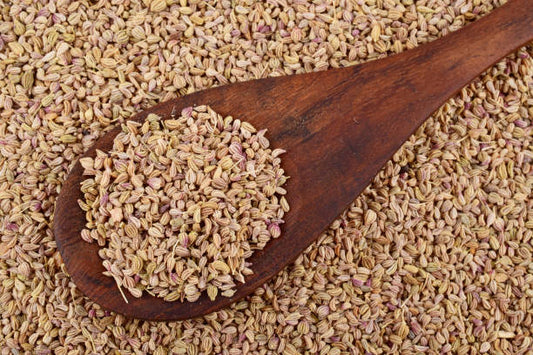
    In the world of spices and herbs, there are tiny powerhouses that often go unnoticed. Ajwain, also known as carom seeds, is one such culinary gem that has been treasured...

    4 comments

    Ajwain (Carom Seeds): Tiny Seeds, Massive Healt...

    In the world of spices and herbs, there are tiny powerhouses that often go unnoticed. Ajwain, also known as carom seeds, is one such culinary gem that has been treasured...

    4 comments
  • Senna: A Natural Laxative with Medicinal Properties

    Senna: A Natural Laxative with Medicinal Proper...

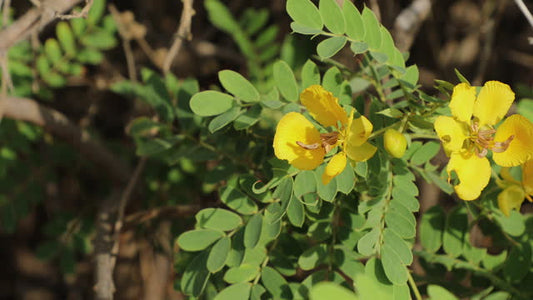
    Senna, derived from the leaves and fruit of the Cassia senna plant, is a potent herbal remedy known for its laxative effects and various medicinal properties. Usage of Senna Medicinal:...

    30 comments

    Senna: A Natural Laxative with Medicinal Proper...

    Senna, derived from the leaves and fruit of the Cassia senna plant, is a potent herbal remedy known for its laxative effects and various medicinal properties. Usage of Senna Medicinal:...

    30 comments
  • Isapgol: Nature's Answer to Digestive Woes

    Isapgol: Nature's Answer to Digestive Woes

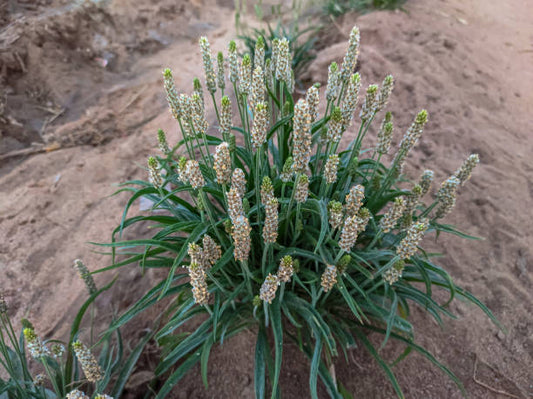
    Isapgol, also known as psyllium husk, is a natural dietary fiber derived from the seeds of the Plantago ovata plant. It is renowned for its numerous health benefits and is...

    13 comments

    Isapgol: Nature's Answer to Digestive Woes

    Isapgol, also known as psyllium husk, is a natural dietary fiber derived from the seeds of the Plantago ovata plant. It is renowned for its numerous health benefits and is...

    13 comments
1 of 3